Mammals
Squirrel Monkeys
-
Squirrel monkeys like some other monkeys are arboreal (lives in trees). They spend roughly 99% of their lives in the trees.
-
They are one of the cleverest monkeys.
-
Squirrel monkeys spread urine on their hands and feet to mark their path when they are moving through the treetops. By following the scent, other members of the group can locate each other.

Ring Tailed Lemurs
-
A group of ring tailed lemurs is often known as a troop.
-
There are nearly 200 species of lemur.
-
Most lemurs are nocturnal. However, ring tailed lemurs are active during the day.

Camels (One-Humped)
-
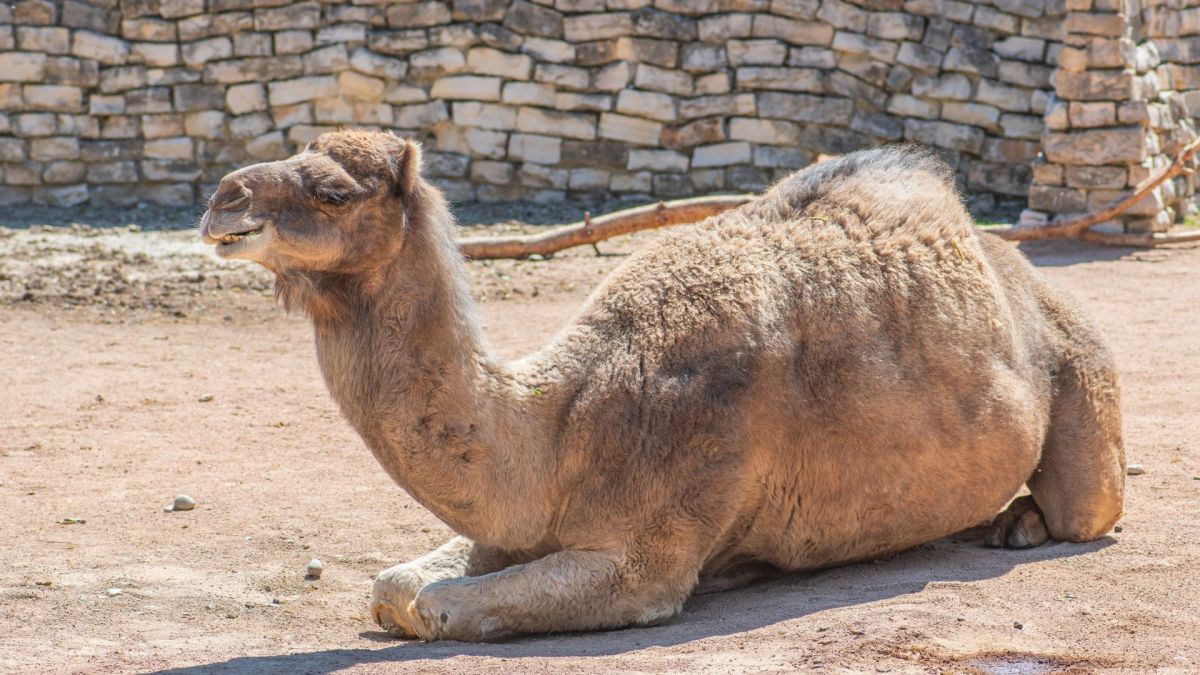
Camels have 3 eyelids and 2 rows of eyelashes to keep sand out of their eyes
-
There are two types of camels a Dromedary (one-humped) and a Bactrian (two-humped)
-
Camels are very strong and can carry up to 900 pounds for 25 miles. Camels can also travel at 40 MPH – the same speed as a racehorse!
Llamas
Llamas often get confused with Alpacas because of their similar features.
Here are the differences:
- Llamas have long banana-shaped ears while Alpacas have straight short ears
- Llamas are more independent, and serves as guard of other livestock while Alpacas are more of a herd animal, and has a nervous disposition
- Llamas have longer faces while Alpaca faces look smushed

Raccoons
-
The staff has to be careful going into this enclosure as raccoons like to pick pocket.
-
There are 6 raccoon species in the world.
-
A group of raccoons is called a nursery or a gaze.
-
Baby raccoons are called kits or cubs and are usually born in the early summer.

Sheep
-
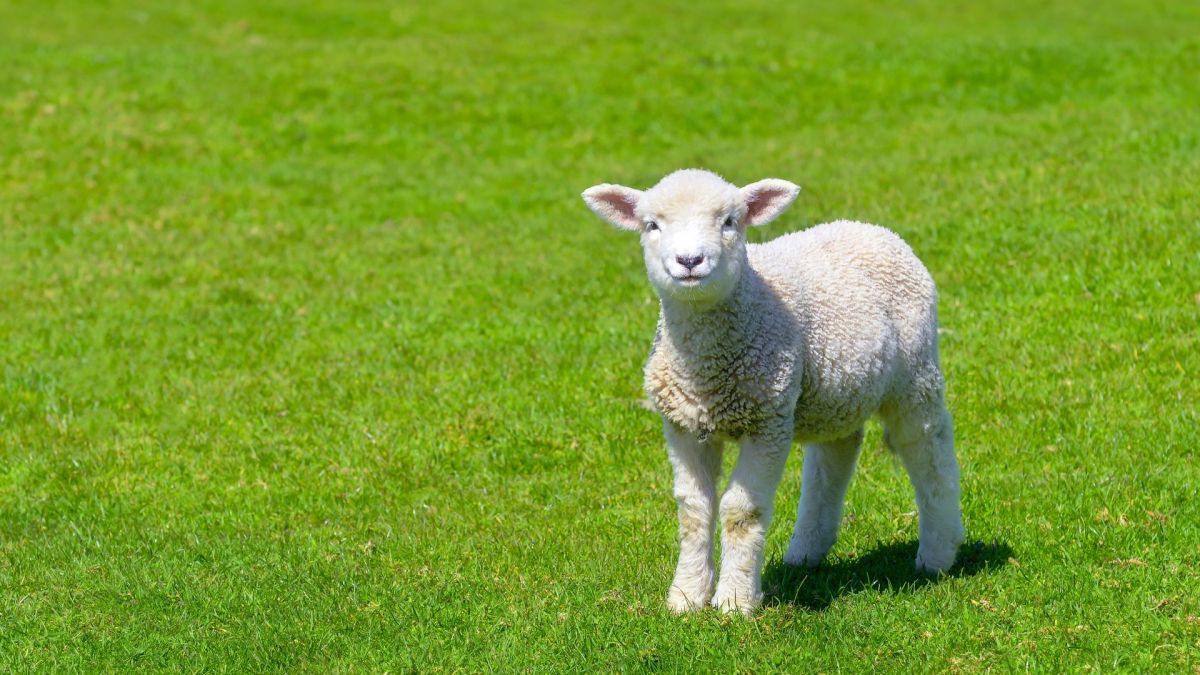
Sheep wool will grow forever! One pound of wool can make up to 10 miles of yarn. A sheep can produce between 2-30 pounds of wool a year!
-
George Washington, Thomas Jefferson, and James Madison all raised sheep
-
James Madison was sworn in wearing a coat spun from his sheep’s wool
-
Woodrow Wilson kept a flock at the White House during World War I to keep the grass trimmed as a cost-cutting measure
Goats
-
Goats can be taught their name and to come when called.
-
Goats are herd animals and will become depressed if kept without any goat companions.
-
Goat’s pupils (like many hooved animals) are rectangular. This gives them 320-340 degree vision around them without having to move and they are thought to have excellent night vision.
-
Goats have four “stomachs”!

Patagonian Cavy
-
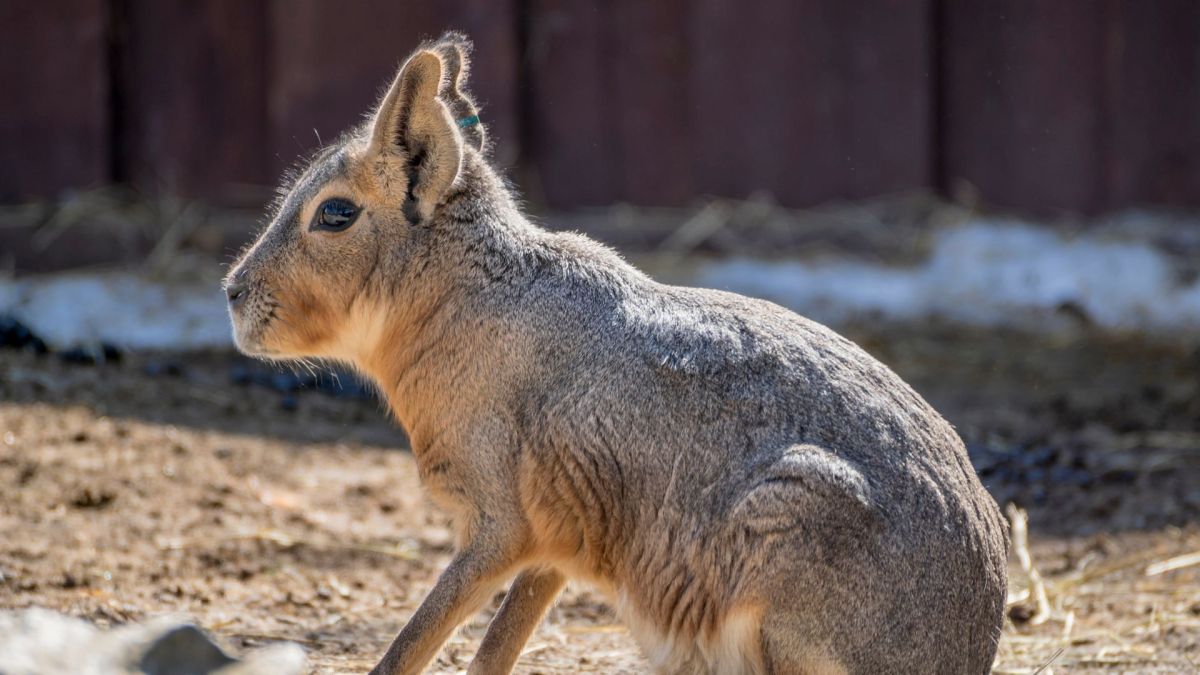
A Patagonian Cavy is the 4th largest rodent.
-
They need 24-hour access to hay which helps file down their back molars.
-
They have strong legs and can jump up to 7 feet high and have 4 toes on their front feet and 3 toes on their hind feet.
Kangaroos
-
Kangaroos use their tails for balance when moving and to prop themselves up in a sitting posture.
-
kangaroo babies immediately crawl into their mothers’ pouches where they continue to develop after birth – usually for a couple of months.
-
They have powerful hind legs they use to bound along at high speeds and jump great distances.

Zebus
-
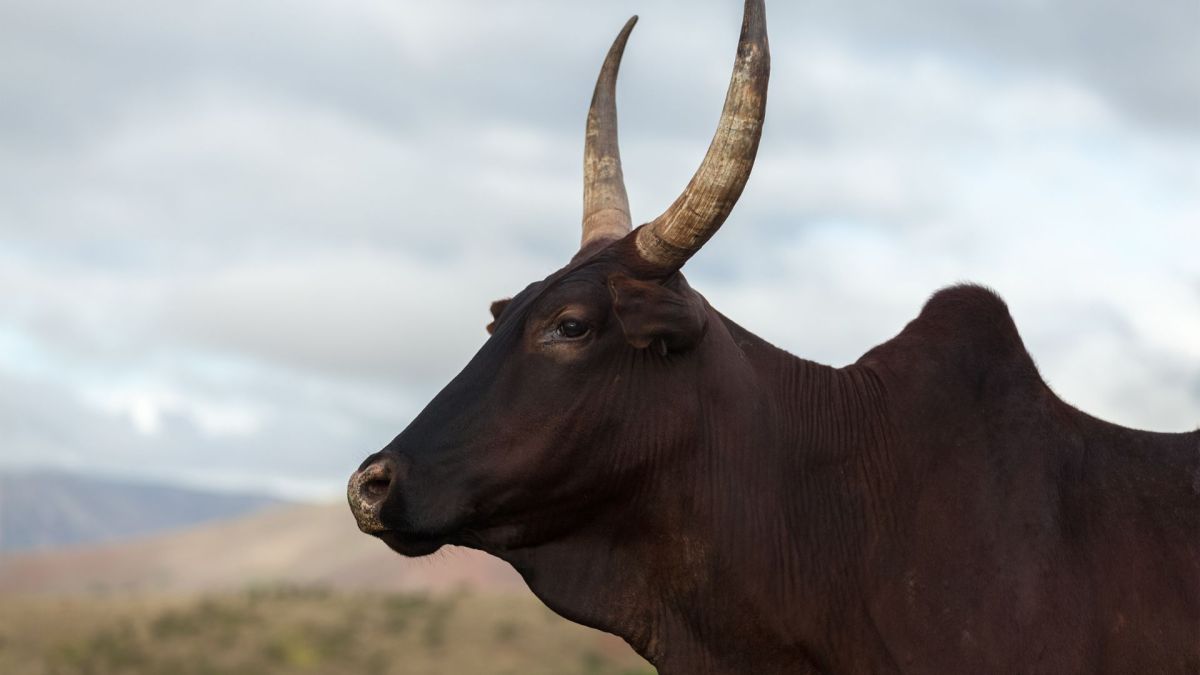
Zebus are the smallest cow in the world!
-
Zebus are easily recognizable by the hump on their backs.
-
Just like camels, the hump is a reservoir of fat that can be used as a source of energy when regular food is unavailable.
Reptiles
Sulcata Tortoise
-
Sulcata Tortoises are mostly active during dusk or dawn.
-
In West Africa, they are a symbol of longevity, fertility, and happiness.
-
They can survive from 50-150 years in the wild.

Basilisk Lizard
-
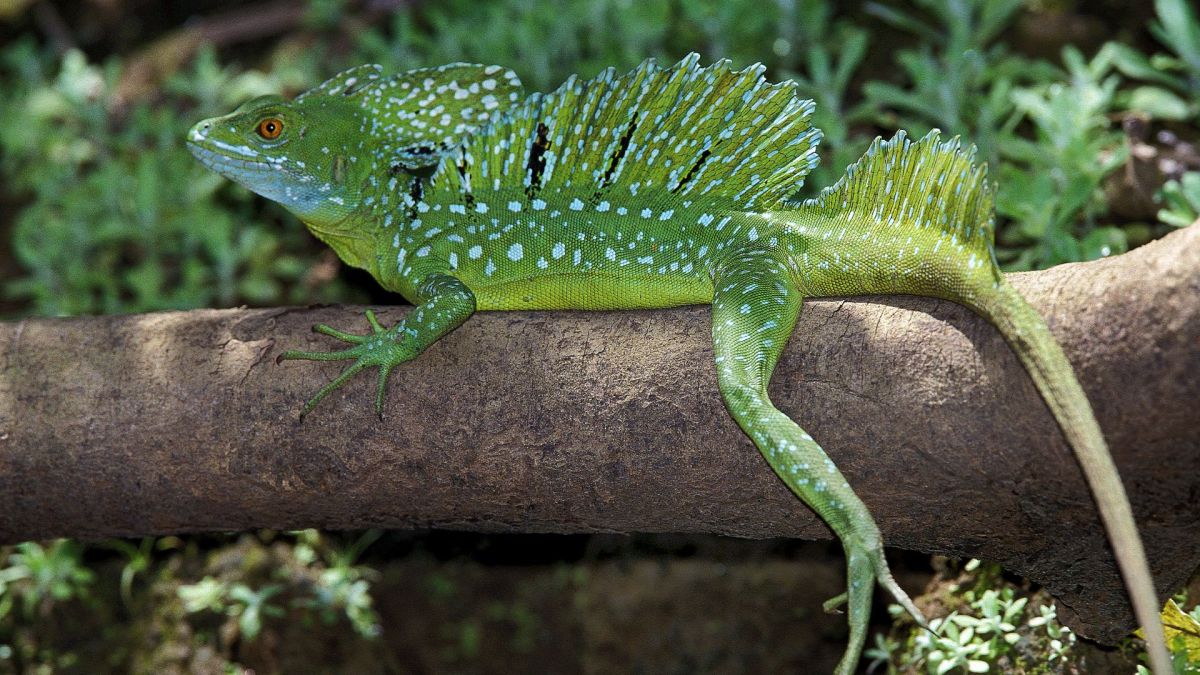
Basilisk Lizards are very fast swimmers and can stay underwater for 30 minutes.
-
They can lay between 10-20 eggs in a hole in the ground.
-
The mother doesn’t stick around to hatch the babies. The babies can take care of themselves from the moment they’re born.
Bearded Dragons
-
Bearded Dragons are named that way because it can enlarge its throat (that resembles a beard) when it is threatened or when defending its territory.
-
Bearded Dragons greet each other or to show submission by standing on three legs while rotating the remaining leg in the air.
-
Bearded Dragons main predators are large lizards, dingoes, and birds of prey.

Birds
Emus
-
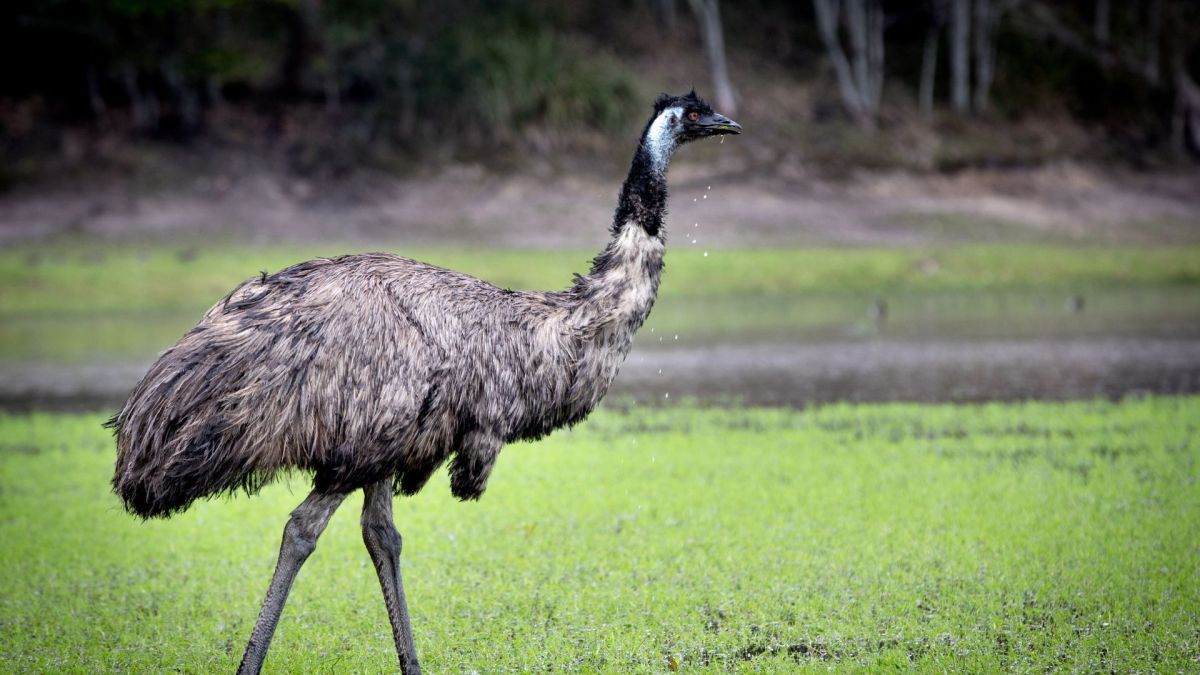
Emus are the 2nd largest bird in the world. The 1st is the Ostrich.
-
The way to tell whether its an Emu or an Ostrich is the toes. Emus have only three toes.
-
Emus are flightless, even though they have wings. The wings are used to cool themselves down and to steer themselves when running.
Cockatoos
-
Cockatoos usually only weigh one pound when they are fully grown.
-
They live in big groups, or flocks.
-
Depending on the species, most cockatoos can live from 25-60 years.

Ducks
-
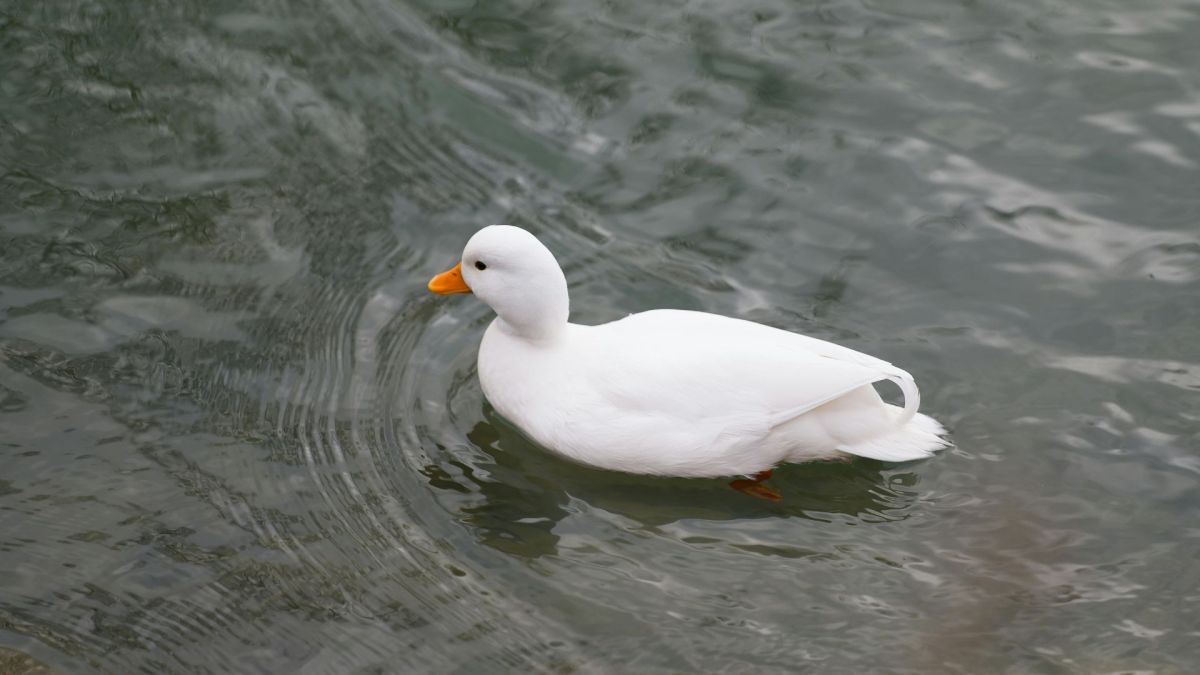
A male duck is called a drake, a female duck is a hen, and a baby duck is a duckling.
-
Ducks are curious and friendly creatures and have been domesticated as pets and farm animals for more than 500 years.
Indian Runner Duck
-
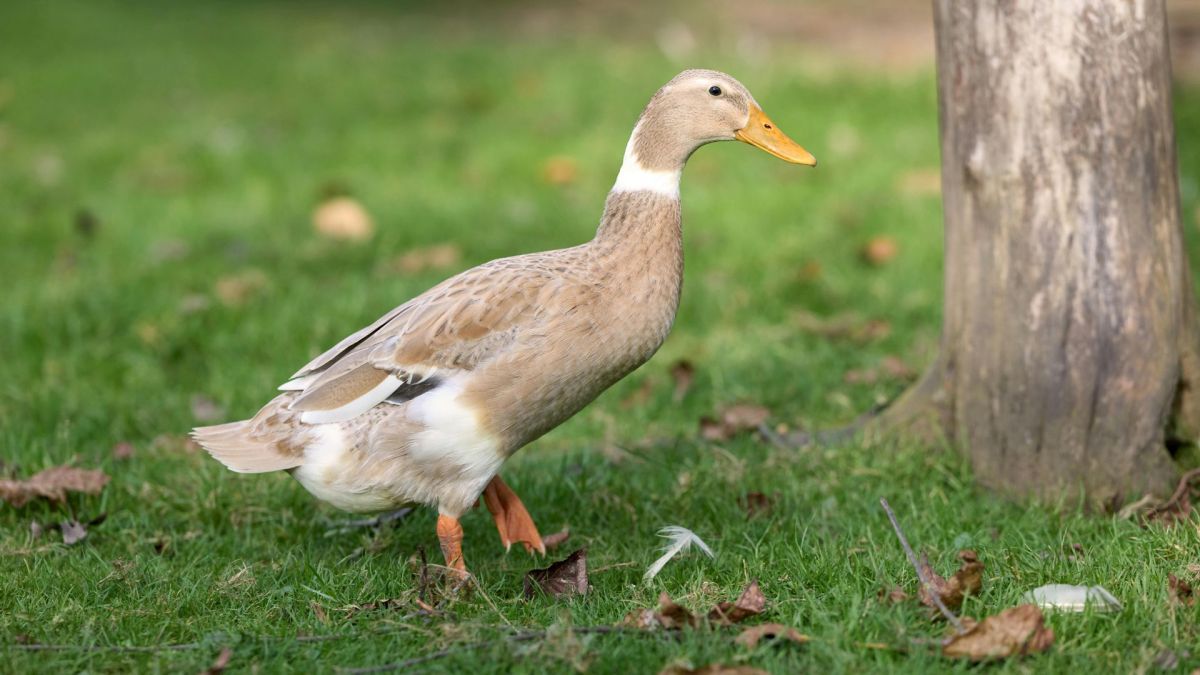
Indian Runner Duck legs are set far back on their body and as a result, this duck stands nearly upright like a penguin.
-
They don’t waddle, instead they can actually run.
-
They have very small wings and as a result, are unable to fly
-
Females usually lay about 300 eggs a year or more!
Chicken
-
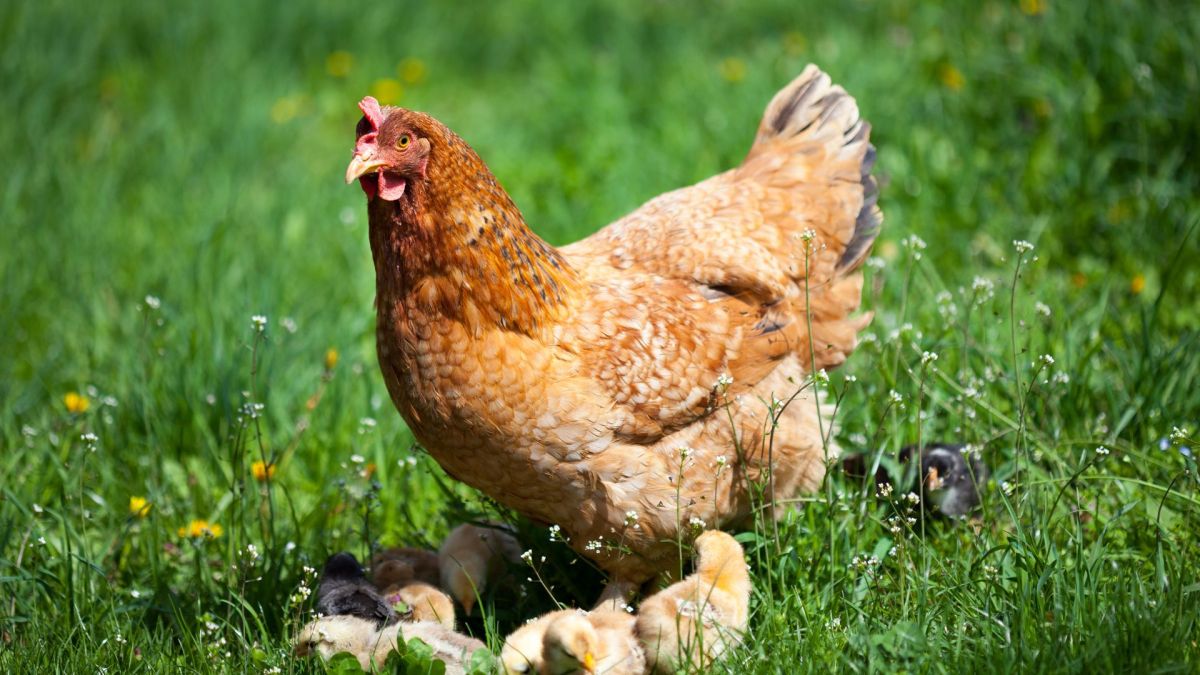
Male chickens are called roosters while female chickens are called hens.
-
Baby chicks can eat and walk after hatching and only need help keeping warm.
-
Hens lay up to 240 eggs in a year.
Peacock
-
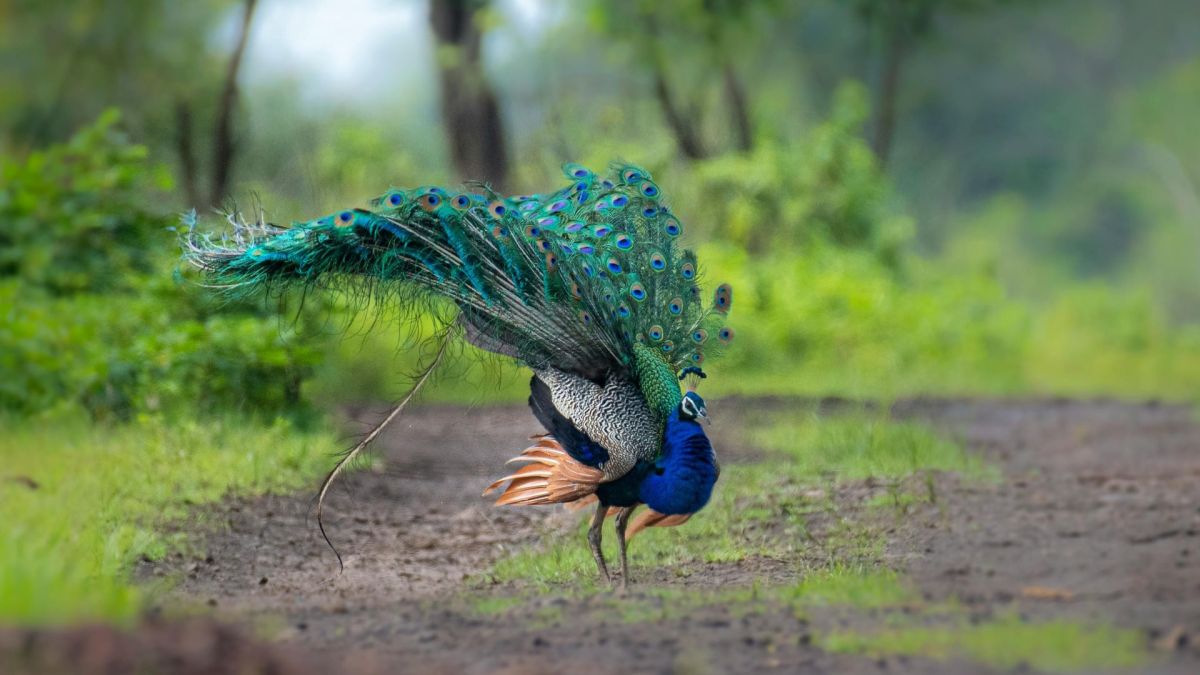
Males are known as “Peacocks”, females are known as “Peahens”, and the babies are known as “Peachicks.”
-
Peacock feathers are called a train. This train develops after they turn three years old.
-
They do not like to be alone.
-
Their sound is a low pitch that humans are unable to hear.